Water damage is one of the biggest emergency threats to NYC homes, apartments, and basements — and most people don’t realize how quickly mold begins to grow after a leak or flood. Whether you live in a Brooklyn brownstone, a Queens basement apartment, or a Manhattan high-rise, knowing the timeline is crucial.
This guide explains how fast mold grows after water exposure, what signs to watch for, and when it’s time to call a licensed mold remediation company in NYC.
⏱ How Fast Does Mold Grow After Water Damage?
Mold starts growing within 24 to 48 hours after moisture hits drywall, wood, insulation, carpet, or furniture.
Here’s the exact timeline:
0–24 hours
- Water saturates walls, floors, carpets
- Moisture gets trapped inside building materials
- Hidden mold spores become activated
24–48 hours
- Mold begins growing microscopically
- Odors begin forming (“musty” smell)
- Walls may show slight discoloration
48–72 hours
- Visible mold spots appear (black, green, or white)
- Moisture spreads deeper inside structure
- Air quality worsens
72 hours and beyond
- Mold spreads aggressively
- Walls and insulation become contaminated
- Health symptoms begin to appear
- Remediation becomes more expensive
⚠ Why Mold Grows Faster in NYC Homes
NYC properties are especially vulnerable because of:
- Old plumbing systems
- Basement-level apartments
- High humidity
- Radiator leaks
- Roof leaks in older buildings
- Multi-family moisture transfer
- Poor ventilation in bathrooms
Even a small leak behind a wall can trigger mold in a day or two.
🔍 Early Warning Signs of Mold
If you notice any of these signs, mold may already be growing:
- Musty or earthy odor
- Wall or ceiling discoloration
- Water stains
- Peeling paint
- Allergy symptoms indoors
- Condensation on walls or windows
- Recurring moisture
🏠 What To Do Immediately After Water Damage
Here’s what professionals recommend:
1. Stop the source of water
Shut off the valve, fix the leak, or stop the flooding.
2. Call a water damage restoration company
NYC water damage spreads fast — minutes matter.
3. Let professionals extract the water
DIY shop vacuums are not enough for hidden moisture.
4. Begin structural drying
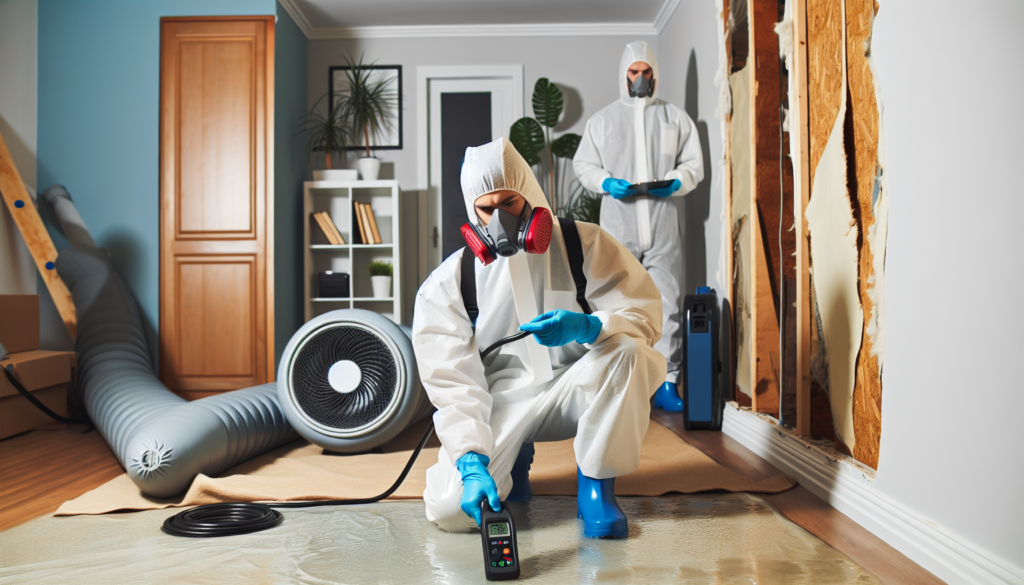
Using commercial fans, dehumidifiers & HEPA air scrubbers.
5. Schedule a mold inspection
This helps you identify hidden growth BEFORE it spreads.
🤧 Health Risks of Mold Exposure
Exposure to mold may cause:
- Coughing
- Headaches
- Watery eyes
- Asthma flare-ups
- Skin irritation
- Fatigue
- Respiratory issues
Black mold (Stachybotrys) is especially dangerous.
👷♂️ When You Need Professional Mold Remediation
You should call a certified mold remediation company if:
- Mold covers more than 10 sq ft
- A leak soaked walls, floors, or ceilings
- You smell mold but can’t find it
- You live in a basement apartment
- Water damage lasted more than 24 hours
Professionals use:
- Moisture meters
- Thermal cameras
- HEPA air filtration
- Antimicrobial treatments
- Containment barriers
📍 Local NYC Mold Risk Areas
Mold grows fastest in:
- Brooklyn basements
- Queens multifamily homes
- Manhattan pre-war buildings
- Bronx older housing stock
- Staten Island storm-affected areas
- Long Island coastal homes
Final Advice
If you suspect mold after water damage, don’t wait.
The longer you wait, the worse — and more expensive — the problem becomes.
📞 Need Fast Mold Removal or Water Damage Cleanup in NYC?
Mold Water Remediation offers:
- 24/7 emergency response
- Free inspections
- Licensed mold remediation
- Water damage restoration
- Service across NYC + Long Island
Call us or contact through WhatsApp now for immediate help 212-432-5803